About the Murray-Darling Basin
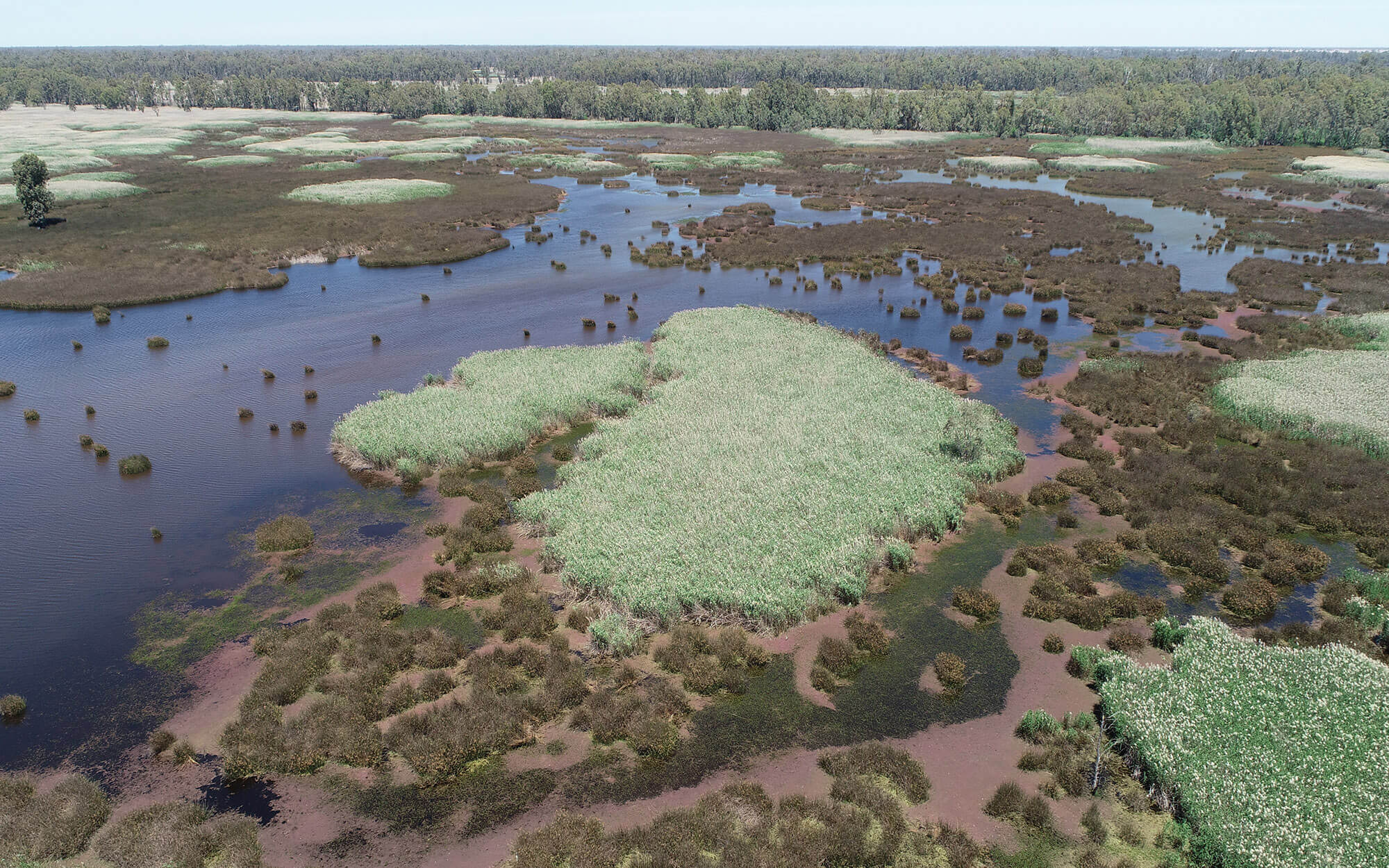
The Murray-Darling Basin is a system of interconnected rivers and lakes covering most of inland NSW, extending from Queensland to South Australia. It is the twentieth largest river catchment in the world. It covers more than a million square kilometres, and contains 22 major catchments.
The sharing of water between all users in the Basin, including the environment, is important both nationally and for the more than 2.3 million people that live there, including people from over 50 different First Nations.
The Basin is also home to 16 internationally significant wetlands, 35 endangered species and 120 waterbird species.
The Basin in managed together by the Australian Government and the respective State Governments of, NSW, Queensland, Victoria, South Australia and the Australian Capital Territory.
Murray-Darling Basin Plan
Murray Darling Basin Plan
The Murray-Darling Basin Plan (the Basin Plan) was developed as a requirement of the Commonwealth Water Act 2007.
It sets the amount of water that can be taken from the Basin each year, while leaving enough for our rivers, lakes and wetlands and the plants and animals that depend on them. This amount is called the Sustainable Diversion Limit (SDL).
Murray-Darling Basin Authority
The Murray-Darling Basin Authority (MDBA) is an independent statutory agency in the Australian Government. The MDBA is responsible for planning the Basin's water resources as a whole and working with Basin states, industries and communities to manage the Basin’s water resources.
Find out more at the Murray Darling Basin Authority website
Water recovery
Supply projects
Supply projects are improved ways to manage the Murray-Darling Basin’s rivers to more efficiently deliver water for the environment. Projects include environmental works such as building or improving river or water management infrastructure or changes to operating rules.
Sustainable Diversion Limit Adjustment Mechanism (SDLAM)
Supply projects are improved ways to manage the Murray-Darling Basin’s rivers to more efficiently deliver water for the environment. Projects include environmental works such as building or improving river or water management infrastructure or changes to operating rules.
The Sustainable Diversion Limit Adjustment Mechanism (SDLAM) is a program designed to achieve similar or improved environmental outcomes for rivers, wetlands and wildlife using less water as part of the Murray-Darling Basin Plan. It consists of supply, constraints and efficiency measure projects.
In 2017, the Basin states and the Australian Government agreed on a package of 36 supply and constraints projects across the southern-connected Murray-Darling Basin. This package of work aims to recover 605 GL of water each year for the river system.
The NSW Government is the lead or co-proponent for the delivery of 21 of the 36 SDLAM projects. Of these projects, 12 are complete and already delivering Basin Plan outcomes.
The NSW Government is currently developing 9 projects, in collaboration with local communities, key stakeholders and other Basin states, with funding from the Australian Government.
SDLAM Acceleration Program
The SDLAM Acceleration Program brings forward over $330 million worth of investment in regional infrastructure to help implement the Basin Plan. The Acceleration Program aims to deliver three SDLAM projects and two key components of one SDLAM project to deliver up to 45 GL of the 605 GL SDLAM target.

Enhancing connectivity throughout the extents of Lock 8 and Lock 9 weir pools incl. across the Frenchmans Creek and Carrs, Capitts and Bunberoo creek waterways.

Modernising infrastructure to enable the smarter use of water in the Yanco Creek system.

Reducing impacts of water releases on landholders adjacent to the forest.
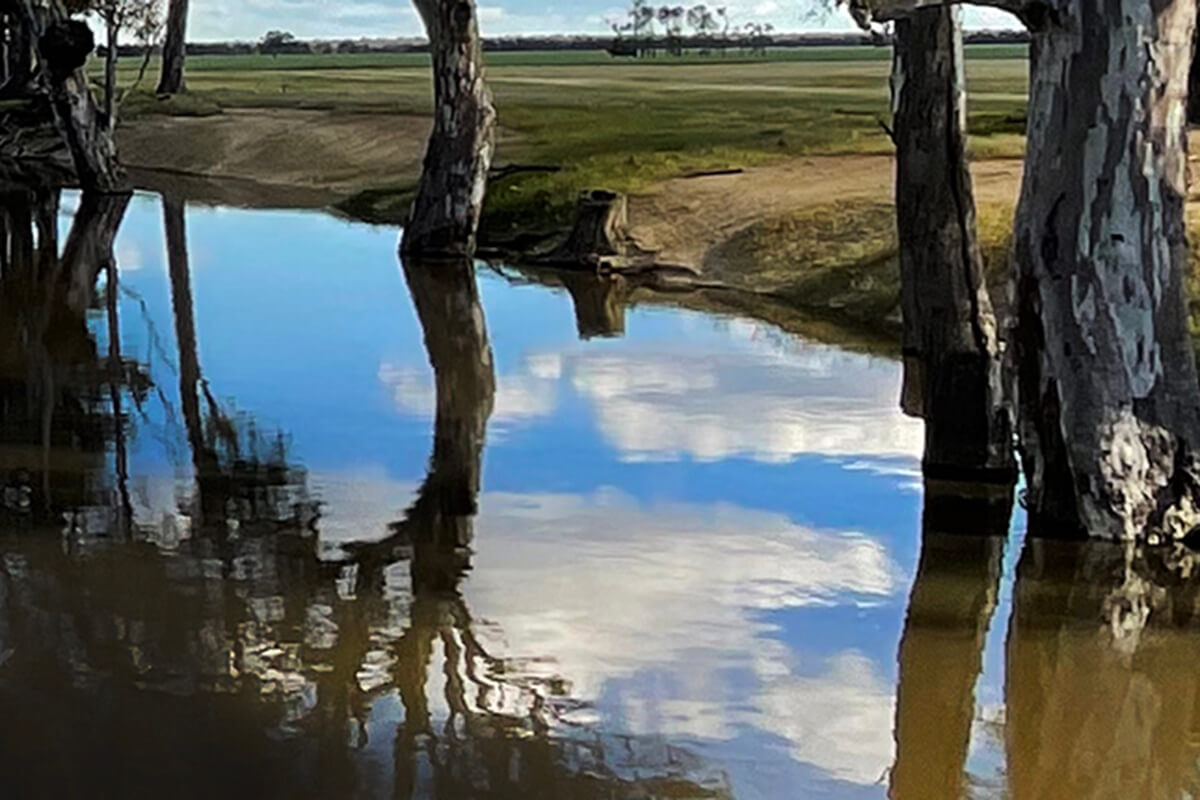
Improving connectivity between the Murray River, its main anabranch, the Edward-Kolety river system, and other surrounding creeks.

Improving the delivery of environmental water in the Yanga and Murray Valley (Millewa) National Parks.
Constraints projects
Constraints projects aim to overcome some of the physical barriers that impact delivering water in the Murray-Darling Basin. Constraints projects can include changes to physical features such as crossings and bridges. They can also change river operating practices and rules.

.The Reconnecting River Country Program aims to achieve a balance of economic, social, cultural and environmental outcomes across southern NSW by improving wetland and floodplain connectivity. Find out more.
Efficiency projects
Efficiency projects are activities that change water use practices and save water for the environment. Projects can include upgrading irrigation systems, lining water delivery channels or installing water meters, along with water productivity improvements in manufacturing or irrigated agriculture, or changes to urban water management practices to reduce water
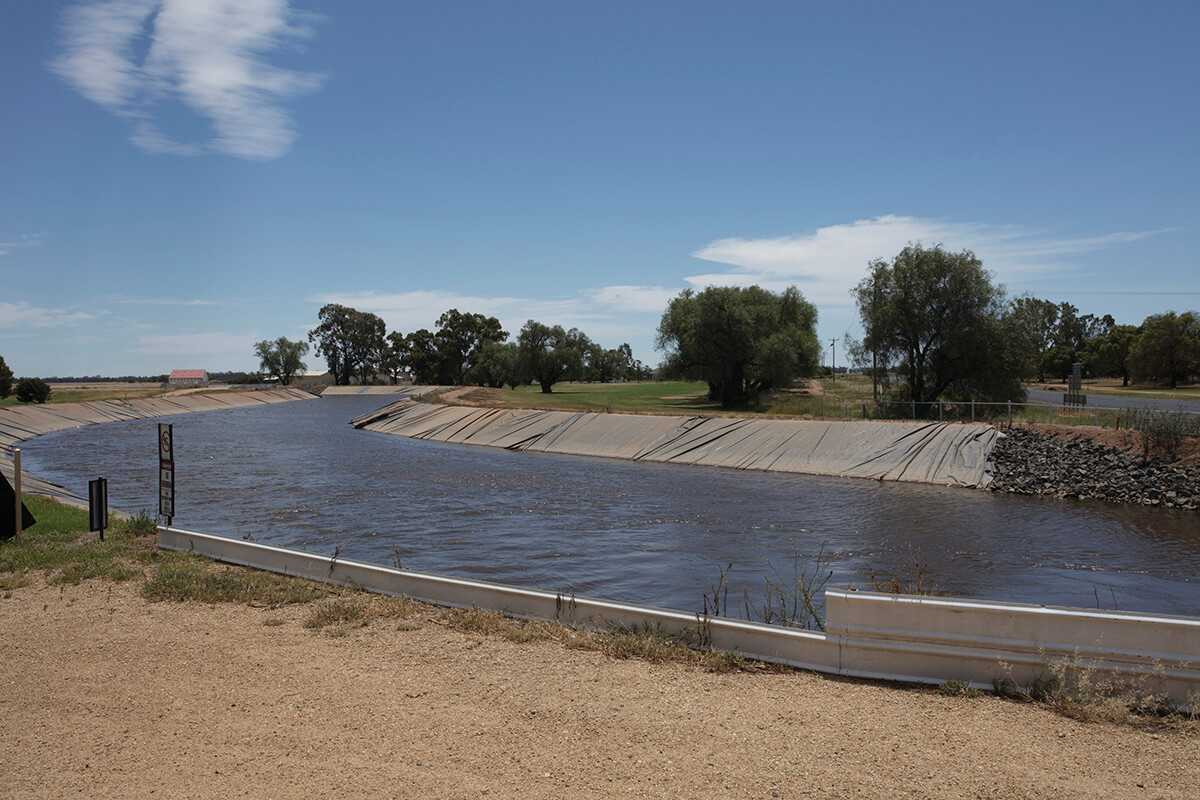
The Resilient Rivers Water Infrastructure Program builds on and replaces the former Off-farm Efficiency Program and supports the delivery of the 450 GL of water recovery target under the Murray-Darling Basin Plan.
Environmental outcomes
Infrastructure projects

Integrated approach to enhancing water security and quality for Wilcannia
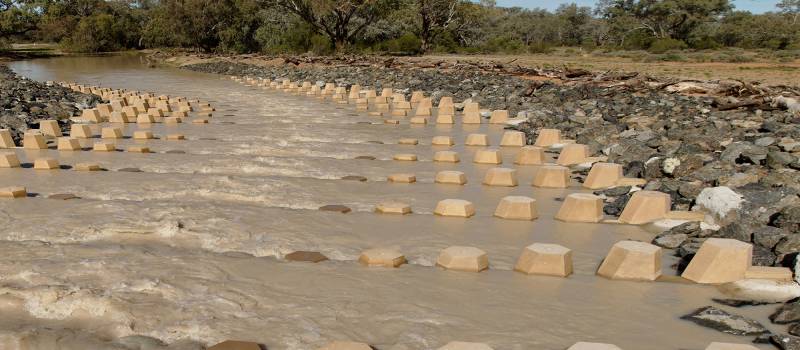
Creating fish migration paths along more than 450km of waterways.

Restoring flow distribution to the wetlands.
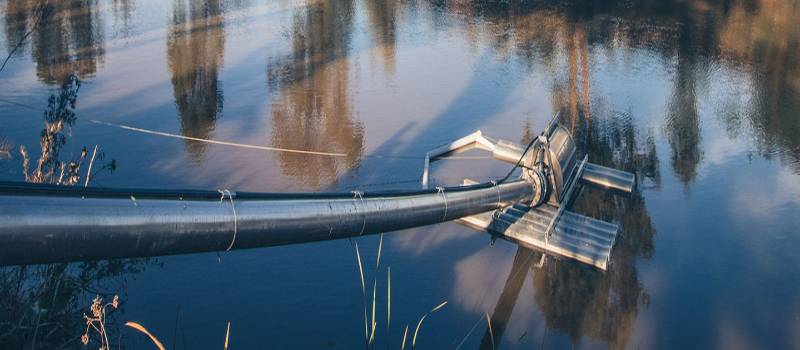
Growing fish populations by protecting them from irrigation pumps.
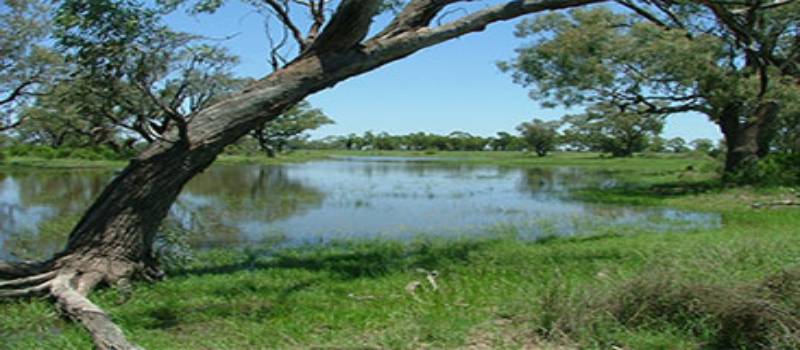
Building environmental water corridors in the Gwydir to support the lifecycle needs of wildlife.
Social, economic and cultural outcomes
River Murray Joint Programs
The MDBA website has information about other projects and programs also being delivered to sustainably manage the Basin.
Regulatory framework
Water resource plans
Under the Basin Plan, there are limits for the Basin as a whole, with additional limits for individual valleys and catchments, as to how much water can be taken from the system. To ensure these limits are not exceeded, NSW is required to develop 20 Water resource plans.
Find out about our Water resource plans and their current status
